


Hey there! As a wind blade trailer supplier, I've seen firsthand the importance of maneuverability when it comes to these massive rigs. Wind blade trailers are designed to transport some of the largest and longest components in the renewable energy industry, and being able to navigate tight turns, narrow roads, and challenging terrain is crucial. In this blog post, I'll be diving into the factors that affect the maneuverability of a wind blade trailer and why it matters.
Trailer Length and Design
One of the most significant factors affecting the maneuverability of a wind blade trailer is its length. Longer trailers are more difficult to turn and navigate through tight spaces, as they have a larger turning radius. This means that when making a turn, the rear of the trailer will swing out further, increasing the risk of hitting obstacles or other vehicles.
The design of the trailer also plays a crucial role in its maneuverability. Some wind blade trailers are designed with a gooseneck or a lowboy configuration, which allows for a lower center of gravity and better weight distribution. This can improve stability and make the trailer easier to handle, especially when navigating uneven terrain or making sharp turns.
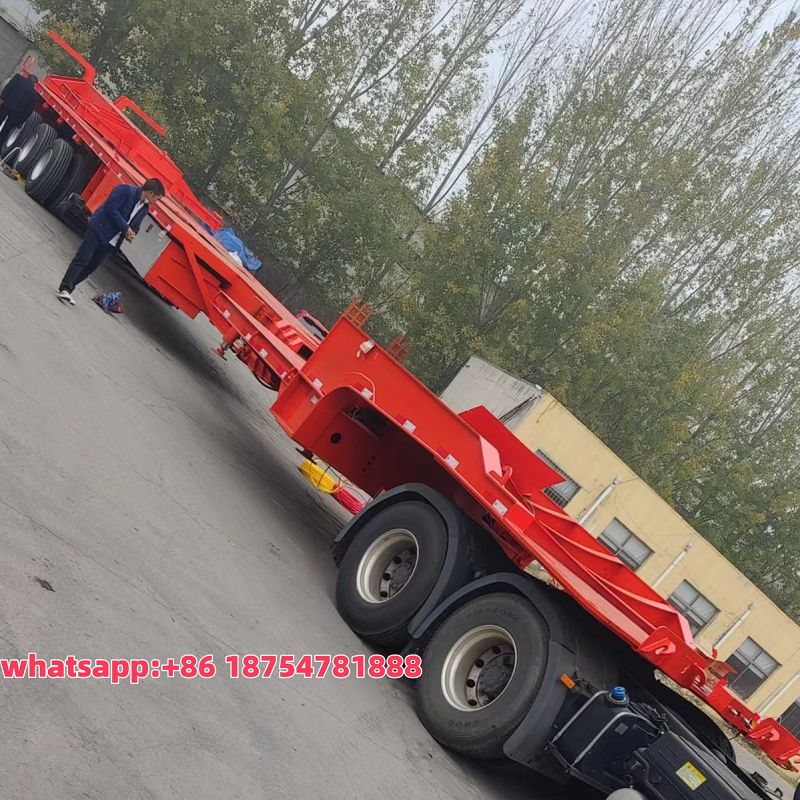

For instance, our Flat Trailers for The Wind Industry are designed with a focus on both strength and maneuverability. The flatbed design provides a stable platform for transporting wind blades, while the optimized length and axle configuration help to minimize the turning radius, making it easier to navigate through various environments.
Axle Configuration
The number and arrangement of axles on a wind blade trailer have a significant impact on its maneuverability. Trailers with more axles can distribute the weight of the load more evenly, reducing the stress on each individual axle and improving stability. However, more axles also mean a longer trailer, which can make it more difficult to turn.
Our 5 Axle Wind Blade Trailer strikes a balance between load capacity and maneuverability. The five-axle configuration allows for a substantial weight capacity while still maintaining a relatively manageable turning radius. On the other hand, our 8 Axle Wind Blade Trailer is designed for transporting extremely heavy and long wind blades. While it offers excellent load-bearing capabilities, the additional axles do increase the complexity of maneuvering, especially in tight spaces.
Suspension System
The suspension system of a wind blade trailer is another critical factor in its maneuverability. A good suspension system helps to absorb shocks and vibrations, providing a smoother ride and better control. It also allows the trailer to adapt to different road conditions, such as bumps, potholes, and uneven surfaces.
There are several types of suspension systems available for wind blade trailers, including leaf spring, air suspension, and hydraulic suspension. Air suspension systems are often preferred for their ability to provide a more comfortable ride and better handling. They can be adjusted to accommodate different loads and road conditions, allowing for greater flexibility and maneuverability.
Tire Selection
The type and condition of the tires on a wind blade trailer can also affect its maneuverability. Tires with a larger diameter and wider tread can provide better traction and stability, especially on slippery or uneven surfaces. On the other hand, smaller tires may offer better handling and a smaller turning radius.
It's also important to regularly inspect and maintain the tires to ensure they are in good condition. Worn or damaged tires can affect the trailer's performance and handling, increasing the risk of accidents. Proper tire inflation is also crucial, as underinflated or overinflated tires can lead to uneven wear and reduced maneuverability.
Driving Skills and Experience
Finally, the skills and experience of the driver play a vital role in the maneuverability of a wind blade trailer. Driving a wind blade trailer requires specialized training and knowledge, as it involves handling a large and heavy load. Experienced drivers are better equipped to anticipate and react to different driving situations, such as making tight turns, navigating through traffic, and dealing with adverse weather conditions.
At our company, we understand the importance of driver training and safety. We work closely with our customers to provide them with the necessary resources and support to ensure their drivers are well-trained and prepared to operate our wind blade trailers safely and efficiently.
In conclusion, the maneuverability of a wind blade trailer is affected by several factors, including its length and design, axle configuration, suspension system, tire selection, and the skills of the driver. As a wind blade trailer supplier, we are committed to providing our customers with high-quality trailers that are designed to meet their specific needs and requirements. Whether you're looking for a flat trailer, a 5 axle wind blade trailer, or an 8 axle wind blade trailer, we have the expertise and experience to help you find the right solution.
If you're interested in learning more about our wind blade trailers or have any questions about maneuverability or other aspects of trailer design, please don't hesitate to contact us. We'd be happy to discuss your needs and provide you with a customized solution that meets your requirements. Let's work together to ensure the safe and efficient transportation of your wind blades!
References
- "Wind Energy Handbook" by Tony Burton, David Sharpe, Nick Jenkins, and Ervin Bossanyi
- "Transportation of Wind Turbine Components" by the American Wind Energy Association


