


Hey there! As a used tanker truck supplier, I often get asked about the fuel efficiency of these beasts on the road. It's a crucial factor for anyone looking to buy a used tanker truck, whether you're in the business of transporting liquids like water, oil, or chemicals. So, let's dive right in and explore what affects the fuel efficiency of a used tanker truck.
First off, what exactly is fuel efficiency? In simple terms, it's how far a vehicle can travel on a certain amount of fuel. For tanker trucks, this is usually measured in miles per gallon (MPG) or liters per 100 kilometers (L/100km), depending on where you are in the world. A higher MPG or lower L/100km means better fuel efficiency, which translates to more savings on fuel costs in the long run.
Now, let's talk about the factors that can influence the fuel efficiency of a used tanker truck.
1. Truck Model and Make
Different truck models and makes have different engine designs, transmissions, and aerodynamics, all of which can impact fuel efficiency. For example, some trucks are built with more fuel - efficient engines that use advanced technologies like direct injection or turbocharging. These engines can squeeze more power out of less fuel.
If you're in the market for a used tanker truck, you might want to check out the Used Howo Watering Tanker Truck. Howo trucks are known for their reliable engines and decent fuel efficiency, especially when compared to some older or less - efficient models.
2. Engine Condition
The condition of the engine is a huge factor. An engine that's well - maintained will generally be more fuel - efficient than one that's been neglected. Over time, engines can wear out, and parts like spark plugs, fuel injectors, and air filters can become dirty or damaged. This can lead to poor combustion, which means the engine has to work harder and use more fuel to produce the same amount of power.
Before buying a used tanker truck, it's a good idea to have a mechanic check the engine. They can look for signs of wear and tear, and even perform a compression test to see how well the engine is performing. If the engine needs some work, it might still be worth buying, but you'll need to factor in the cost of repairs when considering the overall cost of ownership.
3. Tanker Load
The amount of liquid the tanker is carrying also affects fuel efficiency. A fully loaded tanker will require more power to move than an empty one. This is because the weight of the load increases the rolling resistance of the tires and the overall drag on the vehicle.
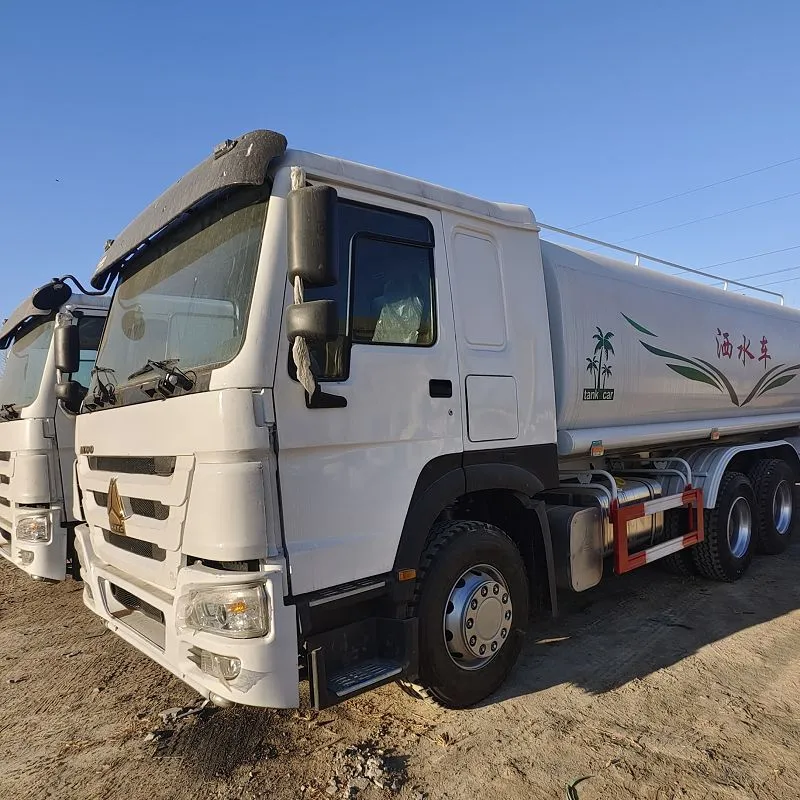
For example, if you're using a tanker to transport water, a full tanker might get 5 - 7 MPG, while an empty one could get 8 - 10 MPG. So, if you're planning to run your tanker mostly empty or with light loads, you'll likely see better fuel efficiency.
4. Driving Habits
How you drive the tanker truck can have a big impact on fuel efficiency. Aggressive driving, like rapid acceleration and hard braking, can waste a lot of fuel. When you accelerate quickly, the engine has to use more fuel to increase the speed of the heavy vehicle. Similarly, hard braking means you're losing the momentum that the engine worked hard to build up, and then you have to use more fuel to get the truck moving again.
On the other hand, smooth driving, maintaining a steady speed, and anticipating traffic can help improve fuel efficiency. Using cruise control on the highway can also be a great way to keep a consistent speed and save fuel.
5. Aerodynamics
The shape of the tanker truck plays a role in its fuel efficiency. Tanker trucks with a more streamlined design will experience less air resistance, which means the engine doesn't have to work as hard to push the truck through the air.
Some modern tanker trucks are designed with features like rounded edges and fairings to reduce drag. Older trucks, however, might have a more boxy shape, which can increase air resistance and lower fuel efficiency.
6. Tire Pressure
Believe it or not, tire pressure can have a significant impact on fuel efficiency. Under - inflated tires increase the rolling resistance of the truck, which means the engine has to use more power to move the vehicle forward.
It's important to check the tire pressure regularly and keep it at the recommended level. This not only helps with fuel efficiency but also extends the life of the tires and improves the safety of the truck.
So, how can you estimate the fuel efficiency of a used tanker truck you're interested in? Well, one way is to ask the previous owner for fuel consumption records. If they have kept track of how much fuel they used over a certain period and the distance they traveled, you can calculate the approximate MPG or L/100km.
Another option is to do a test drive. Fill up the tank, drive the truck for a set distance (say, 100 miles), and then fill up the tank again. The amount of fuel you used to refill the tank divided by the distance traveled will give you an idea of the truck's fuel efficiency.
As a used tanker truck supplier, I understand that fuel efficiency is a top concern for my customers. That's why I always try to provide as much information as possible about the trucks I have for sale. I can tell you about the engine history, the load capacity, and even give you some tips on how to improve fuel efficiency.
If you're in the market for a used tanker truck, don't hesitate to reach out. Whether you're looking for a Used Howo Watering Tanker Truck or another model, I can help you find the right truck that meets your needs and budget. We can discuss the fuel efficiency of different options and work together to make sure you get the best value for your money.
In conclusion, the fuel efficiency of a used tanker truck is influenced by many factors, including the truck model, engine condition, tanker load, driving habits, aerodynamics, and tire pressure. By considering these factors and doing your research, you can make an informed decision when buying a used tanker truck. And if you have any questions or want to start the purchasing process, just get in touch. I'm here to help you every step of the way.
References
- "Truck Fuel Efficiency: A Comprehensive Guide." Trucking Industry Magazine, 2022.
- "Factors Affecting Vehicle Fuel Consumption." Department of Transportation Research Report, 2021.


