


Hey there! I'm a supplier of Crude Oil Tanker Trailers, and today I wanna chat about the safety standards for these bad boys. Crude oil is a valuable and hazardous substance, so ensuring the safety of its transportation is super important. Let's dive right in!
Structural Integrity
First off, the structural integrity of the tanker trailer is crucial. The tank itself needs to be made of high - quality materials that can withstand the pressure and stress of carrying crude oil. Usually, steel is the go - to material because it's strong and durable. The thickness of the tank walls is carefully calculated based on the volume and weight of the crude oil it will carry.
The trailer's frame also plays a big role. It has to be able to support the weight of the full tank and withstand the forces during transportation, like acceleration, braking, and turning. Welds and joints on both the tank and the frame need to be inspected regularly. Any signs of cracks or weak points can lead to leaks, which are a huge safety risk.
Leak Prevention
Leak prevention is a top priority. Crude oil is not only flammable but also can cause serious environmental damage if it spills. The tanker trailers are equipped with multiple layers of protection against leaks.
The tank has a tight - fitting lid or hatch that seals properly. Gaskets are used to ensure a watertight and airtight seal. These gaskets need to be made of materials that are resistant to the corrosive nature of crude oil.
In addition, there are valves and fittings on the tanker. These need to be of high - quality and regularly maintained. A faulty valve can lead to a sudden leak. We also install emergency shut - off valves that can be activated in case of an emergency to stop the flow of crude oil.
Fire and Explosion Safety
Crude oil is highly flammable, so fire and explosion safety is non - negotiable. The tanker trailers are designed with several safety features to prevent fires and explosions.
One of the key features is grounding. When the tanker is being loaded or unloaded, it must be properly grounded to prevent static electricity buildup. Static electricity can create a spark, which can ignite the crude oil vapors.
The trailers are also equipped with fire - suppression systems. These can include fire extinguishers and sprinkler systems. The fire - suppression systems need to be regularly checked and maintained to ensure they are in working condition.
Pressure Relief
Crude oil can expand and contract depending on the temperature. This can cause changes in pressure inside the tank. To prevent over - pressurization, the tanker trailers are fitted with pressure - relief valves.
These valves are designed to open when the pressure inside the tank exceeds a safe level. This releases the excess pressure and prevents the tank from bursting. Regular inspections of the pressure - relief valves are necessary to make sure they are functioning correctly.
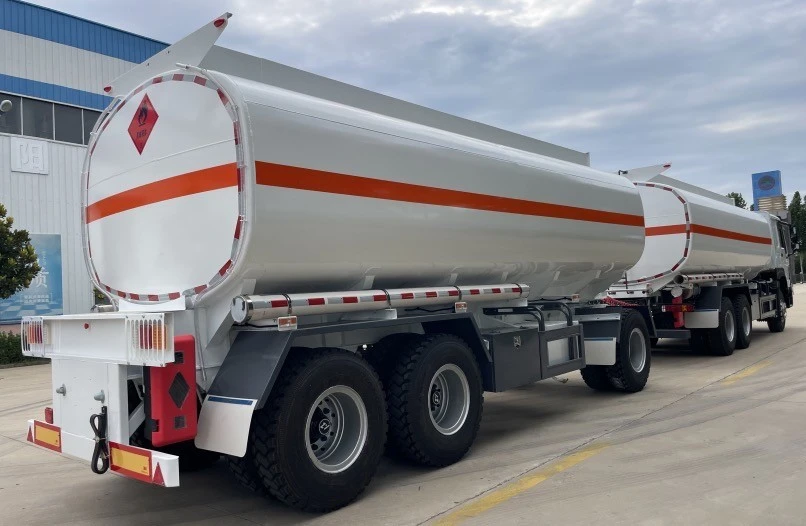

Safety Devices
There are a bunch of other safety devices on the crude oil tanker trailers. For example, there are level indicators that show the amount of crude oil in the tank. This helps the operators to avoid over - filling the tank, which can lead to spills.
There are also emergency exits on the trailers. In case of an accident or a fire, the operators need to be able to quickly and safely exit the vehicle. These exits need to be clearly marked and unobstructed at all times.
Regulatory Compliance
The safety standards for crude oil tanker trailers are not just suggestions; they are set by various regulatory bodies. These regulations ensure that all tanker trailers on the road meet a minimum level of safety.
For example, in the United States, the Department of Transportation (DOT) has strict rules regarding the design, construction, and operation of tanker trailers. Any supplier, like me, has to make sure that our trailers comply with these regulations. Failure to comply can result in hefty fines and even the suspension of business operations.
Our Commitment as a Supplier
As a Crude Oil Tanker Trailer supplier, I take safety very seriously. We use the latest technology and best - in - class materials to build our trailers. Every trailer that leaves our factory undergoes rigorous testing to ensure it meets all the safety standards.
We also offer maintenance and support services to our customers. We know that proper maintenance is key to keeping the trailers safe. Our team of experts can provide training to the operators on how to safely operate and maintain the trailers.
If you're in the market for other types of tank trailers, we also have Edible Oil Tank Trailer and Diesel Tank Trailer. And if you need a more heavy - duty option, our 3 Axle Oil Tanker Trailer might be the perfect fit.
Conclusion
In conclusion, the safety standards for crude oil tanker trailers are comprehensive and cover every aspect of their design, construction, and operation. These standards are in place to protect the people, the environment, and the valuable crude oil being transported.
If you're looking for a reliable and safe crude oil tanker trailer, I'd love to have a chat with you. Whether you're a small - scale operator or a large - scale company, we can provide you with the right solution. Don't hesitate to reach out for more information and to start the procurement process. Let's work together to ensure the safe transportation of crude oil.
References
- Department of Transportation (DOT) regulations on tanker trailers
- Industry standards and best practices for crude oil transportation


