


How to Test - Drive a Used Dump Truck?
As a supplier of used dump trucks, I understand that purchasing a used dump truck is a significant investment. A test - drive is an essential step in the buying process, as it allows you to assess the vehicle's condition, performance, and suitability for your needs. Here's a comprehensive guide on how to test - drive a used dump truck.
Pre - Test Drive Checks
Before you even start the engine, there are several visual and physical checks you should perform.
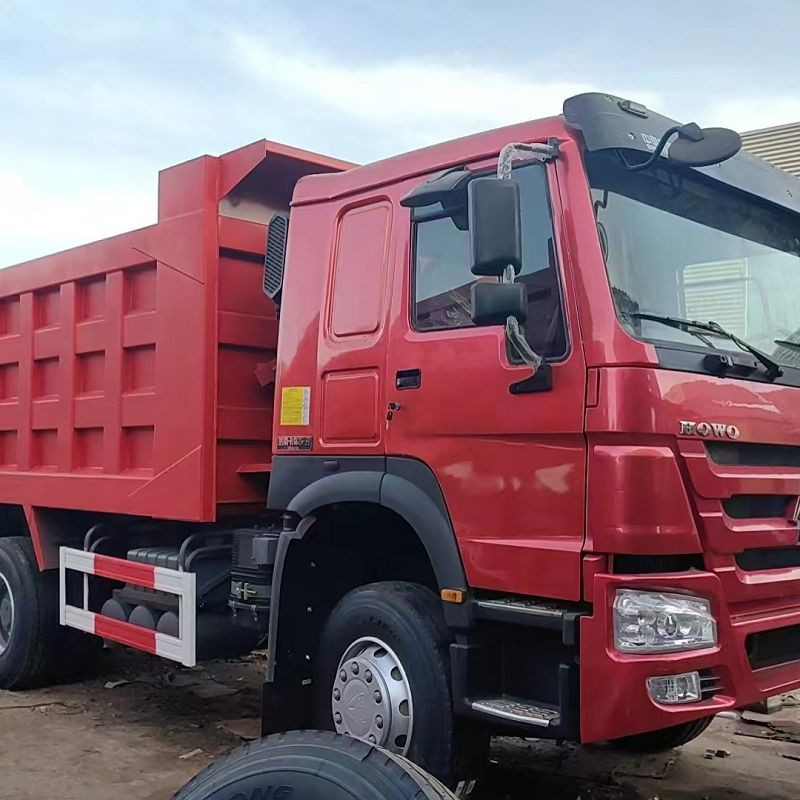
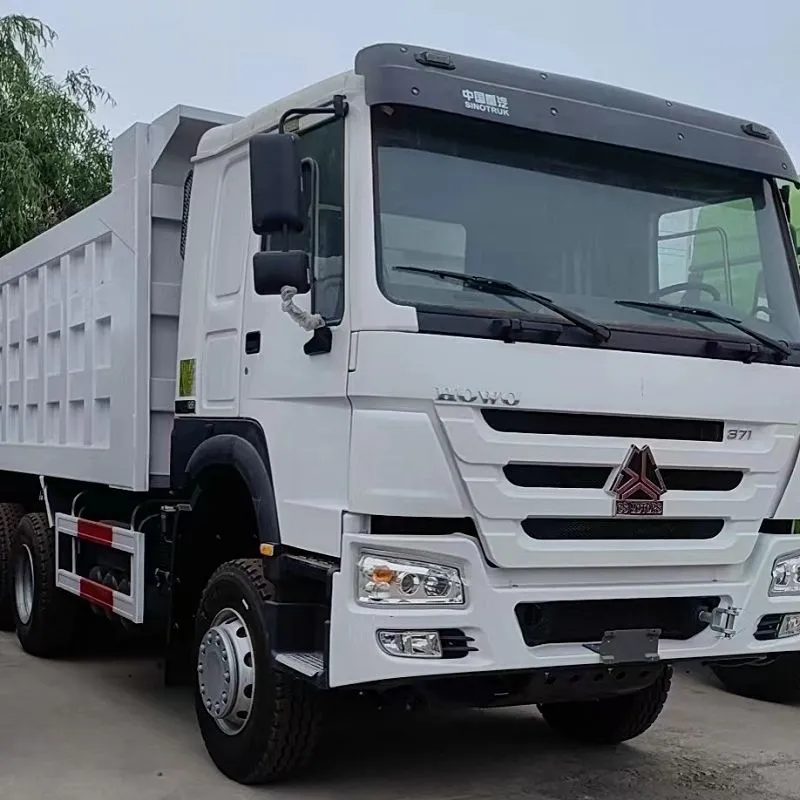
Exterior Inspection
- Body Condition: Walk around the dump truck and look for signs of damage, such as dents, rust, or misaligned panels. Pay special attention to the dump bed. Any cracks or significant wear can lead to future problems. For example, a small crack in the dump bed can expand over time, causing leaks or even structural failure.
- Tire Condition: Check the tire tread depth. Tires with low tread are not only a safety hazard but also indicate that the truck may have been driven a lot. Uneven tire wear can suggest alignment or suspension issues. You can use a tread depth gauge to get an accurate measurement.
- Lighting and Signals: Make sure all the lights, including headlights, taillights, brake lights, and turn signals, are working properly. Faulty lights can be a safety risk, especially when operating the dump truck at night or in low - visibility conditions.
Under the Hood
-
Fluid Levels: Check the engine oil, coolant, transmission fluid, and brake fluid levels. Low fluid levels can indicate leaks or other mechanical problems. For instance, low engine oil can lead to engine overheating and premature wear.
-
Battery: Inspect the battery for signs of corrosion or damage. A weak or faulty battery can cause starting problems, which can be a major inconvenience on the job site.
-
Hoses and Belts: Look for any cracks, leaks, or signs of wear in the hoses and belts. A broken belt can cause the engine to stop running, while a leaking hose can lead to fluid loss and potential engine damage.
Starting the Truck
- Key Insertion and Ignition: Insert the key into the ignition and start the engine. Listen for any unusual noises, such as knocking, rattling, or hissing. A knocking noise could indicate engine problems, while a hissing sound might suggest a leak in the air intake or exhaust system.
- Dashboard Lights: Check the dashboard lights. All the warning lights should come on briefly when you start the engine and then go off. If any lights stay on, it could indicate a problem with the vehicle's systems, such as the engine, brakes, or transmission.
On - Road Testing
Once the truck is running smoothly, it's time to hit the road.
Acceleration and Braking
- Acceleration: Test the truck's acceleration by gradually pressing the accelerator pedal. The truck should accelerate smoothly without hesitation or jerking. If the truck hesitates or stalls, it could be a sign of fuel delivery or ignition problems.
- Braking: Test the brakes at different speeds. The brakes should be responsive and bring the truck to a stop smoothly. A spongy brake pedal or excessive brake noise can indicate brake system issues, such as worn brake pads or a leak in the brake lines.
Steering and Handling
- Steering: Turn the steering wheel slowly from side to side. The steering should be responsive and not too loose or too tight. A loose steering wheel can make the truck difficult to control, while a tight steering wheel could indicate problems with the power steering system.
- Handling: Drive the truck on different types of roads, including straightaways, curves, and uneven surfaces. The truck should handle well and maintain stability. Pay attention to how the truck responds to your steering inputs and any vibrations or pulling to one side.
Transmission
- Gear Shifting: If the dump truck has a manual transmission, test the gear shifting. The gears should engage smoothly without grinding or resistance. For automatic transmissions, pay attention to how the transmission shifts between gears. Any rough or delayed shifts could indicate transmission problems.
Testing the Dump Bed
- Lifting and Lowering: Test the dump bed's lifting and lowering mechanism. The bed should lift and lower smoothly without any jerks or unusual noises. Make sure the bed locks securely in the raised and lowered positions.
- Hydraulic System: Listen for any hissing or leaking sounds from the hydraulic system. A leaking hydraulic system can cause the dump bed to malfunction and may require costly repairs.
Post - Test Drive Evaluation
- Summary of Findings: After the test - drive, take a few minutes to summarize your findings. Make a list of any issues or concerns you noticed during the test - drive. This will help you make an informed decision about whether to purchase the used dump truck.
- Consultation: If you're not sure about any of the issues you found, consult with a professional mechanic. They can provide a more in - depth inspection and offer advice on the truck's condition and potential repair costs.
At our company, we offer a wide range of used dump trucks, including Used 6x4 Dump Trucks, Used Dump Truck for Africa, and Refurbished Used Dump Truck. Our trucks are thoroughly inspected and tested to ensure they meet high - quality standards.
If you're interested in purchasing a used dump truck, we encourage you to come and test - drive one of our vehicles. Our experienced sales team is ready to assist you throughout the buying process. Contact us today to schedule a test - drive and start your journey towards finding the perfect used dump truck for your business.
References
- "Truck Maintenance and Repair Manual" - General Trucking Publications
- "Commercial Vehicle Inspection Guide" - Department of Transportation
- Industry knowledge and experience from years of working as a used dump truck supplier.


