


Hey there! As a supplier of Used Howo Dump Trucks, I've seen firsthand how crucial it is to optimize the load distribution in these workhorses. A well - distributed load not only enhances the truck's performance but also extends its lifespan and ensures safety on the road. So, let's dive into how you can achieve that.
Understanding the Basics of Load Distribution
Before we get into the nitty - gritty of optimization, it's important to understand why load distribution matters. When a dump truck is loaded unevenly, it can lead to a whole bunch of problems. Uneven weight can put extra stress on certain parts of the truck, like the axles, tires, and suspension. This can cause premature wear and tear, which means more frequent repairs and higher costs in the long run.
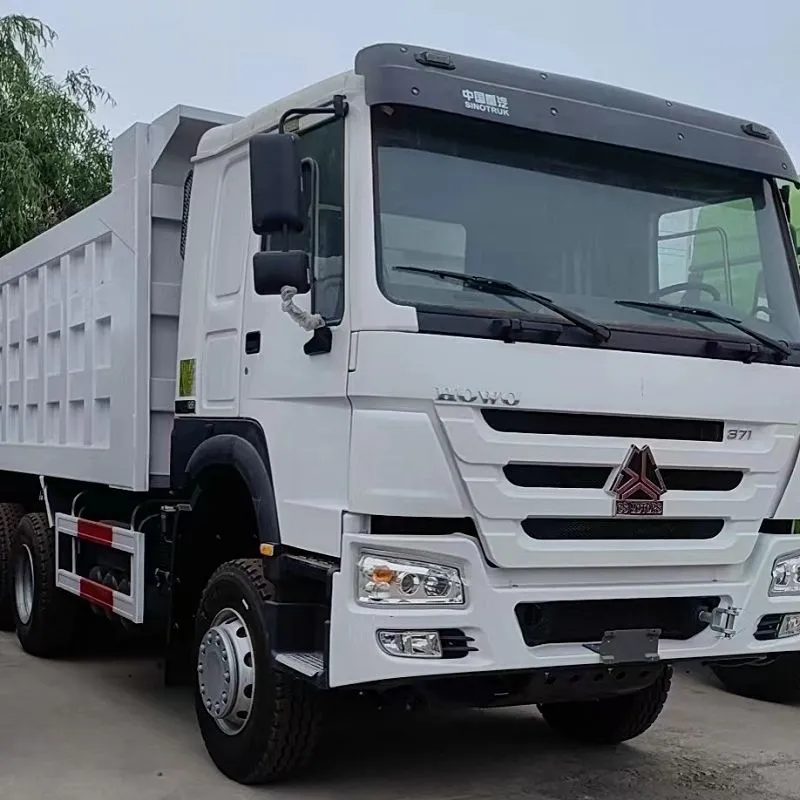

Moreover, an unbalanced load can affect the truck's handling. It might make the truck harder to steer, increase the stopping distance, and even make it more prone to tipping over, especially when taking turns or going over bumps. That's a serious safety risk, not just for the driver but also for other road users.
Know Your Truck's Specifications
The first step in optimizing load distribution is to know your truck inside out. Every Used Howo Dump Truck has its own set of specifications, including the maximum load capacity, axle weight limits, and the center of gravity. You can find this information in the truck's manual or by contacting the manufacturer.
For example, if you're looking at Used 6x4 Dump Trucks, they have different load - carrying capabilities compared to Used 8x4 Dump Trucks. The 8x4 models generally have a higher capacity and better weight - distribution capabilities due to the additional axles.
Once you know the limits, you can plan your loads accordingly. Never exceed the maximum load capacity, as this can cause serious damage to the truck and is also illegal in most places.
Pre - Loading Inspection
Before you start loading the truck, it's a good idea to do a quick inspection. Check the tires for proper inflation and any signs of damage. Under - inflated tires can cause uneven weight distribution and increase the risk of blowouts. Also, inspect the suspension system to make sure it's in good working condition.
Take a look at the dump body as well. Make sure it's clean and free of any debris that could affect the load. Check for any signs of damage or wear, such as cracks or loose parts. A damaged dump body can lead to uneven loading and cause problems during the dumping process.
Loading Techniques
Now, let's talk about the actual loading process. The key is to distribute the load evenly across the dump body. Start by filling the front part of the body first, then work your way to the back. This helps to keep the center of gravity in the right place and reduces the risk of the truck tipping forward.
If you're loading multiple materials, try to layer them in a way that distributes the weight evenly. For example, if you're loading a combination of gravel and sand, alternate layers of each material. This can help to balance the weight and prevent one side of the truck from being heavier than the other.
Avoid piling all the load on one side of the dump body. This can cause the truck to lean to one side, which is not only dangerous but also puts extra stress on the tires and suspension on that side. If possible, use a loading machine that can spread the load evenly, such as a front - end loader with a wide bucket.
Consider the Type of Material
Different materials have different densities and characteristics, which can affect load distribution. For example, materials like gravel and sand are relatively dense and heavy, while materials like wood chips or hay are lighter and more voluminous.
When loading dense materials, make sure to spread them out evenly to avoid creating a concentrated weight in one area. Lighter materials, on the other hand, can be loaded more loosely, but still need to be distributed evenly to maintain balance.
If you're loading a large amount of a single material, it might be a good idea to break the load into smaller sections and distribute them evenly throughout the dump body. This can help to prevent the weight from being too concentrated in one area.
During - Transit Checks
Once the truck is loaded and on the road, it's important to do some checks during transit. Make sure to stop at regular intervals and check the load. Look for any signs of shifting or settling. If you notice that the load has shifted, it's important to stop and redistribute it as soon as possible.
Pay attention to how the truck is handling. If you notice that the steering feels heavy or the truck is pulling to one side, it could be a sign of uneven load distribution. In this case, it's best to stop and check the load right away.
Unloading Process
The unloading process is just as important as the loading process. When dumping the load, make sure to do it slowly and evenly. Start by raising the dump body at a slow and steady pace. This helps to prevent the load from shifting suddenly and causing the truck to tip over.
If you're dumping on an uneven surface, be extra careful. Try to position the truck so that it's as level as possible before dumping. This can help to ensure that the load is dumped evenly and reduces the risk of the truck tipping.
Post - Unloading Inspection
After the load has been dumped, do another inspection of the truck. Check the dump body to make sure it's empty and clean. Look for any signs of damage that might have occurred during the dumping process.
Inspect the tires and suspension again. Sometimes, the act of dumping can cause the weight to shift suddenly, which can put extra stress on these components. If you notice any problems, it's important to address them right away to prevent further damage.
Refurbished Trucks and Load Distribution
If you're considering a Refurbished Used Dump Truck, it's important to note that the refurbishment process can have an impact on load distribution. A well - refurbished truck should have all its components in good working condition, which can help to ensure proper load distribution.
However, make sure to ask the supplier about the refurbishment process. Find out what parts were replaced or repaired and how they were tested. A high - quality refurbishment can make a big difference in the truck's performance and safety.
Conclusion
Optimizing load distribution in a Used Howo Dump Truck is essential for performance, safety, and longevity. By following these tips, you can ensure that your truck is loaded and operated in the most efficient and safe way possible.
If you're in the market for a Used Howo Dump Truck or have any questions about load distribution, feel free to get in touch. We're here to help you find the right truck for your needs and provide you with all the information you need to keep it running smoothly.
References
- "Heavy - Duty Truck Handbook" by Klaus Pischinger
- Manufacturer's manuals for Howo Dump Trucks
- Industry guidelines on load distribution and safety for dump trucks


