


Hey there! I'm a supplier of wind blade trailers, and today I wanna chat about how we test the functionality of these bad boys. Wind blade trailers are super important for transporting those massive wind turbine blades, and making sure they work right is crucial.
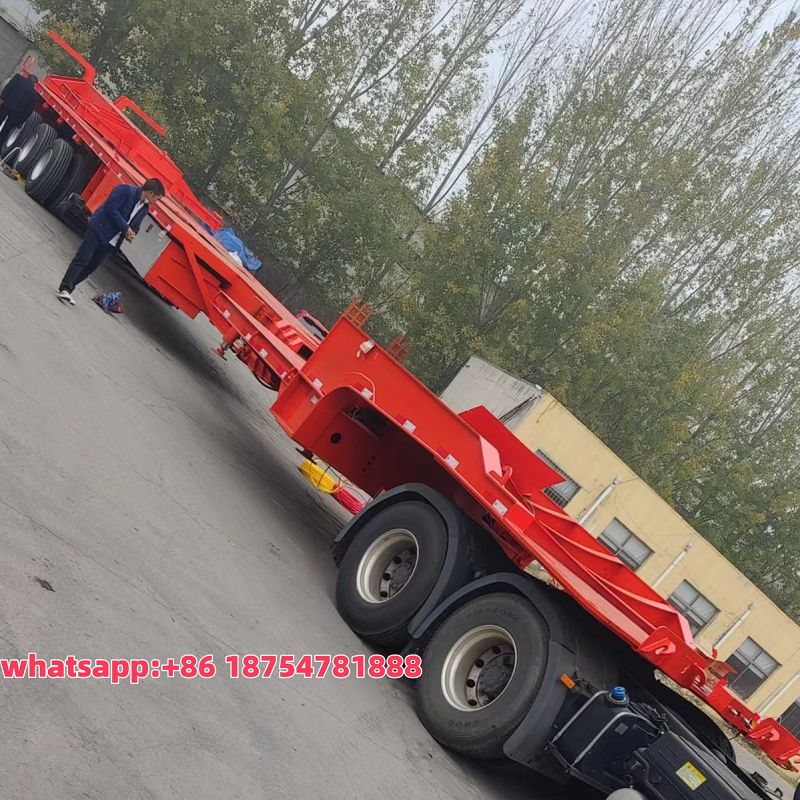

Pre - Test Checks
Before we even start the actual functionality tests, we do a bunch of pre - test checks. First off, we take a good look at the trailer's structure. We're checking for any signs of damage, like cracks or dents in the frame. A damaged frame can seriously compromise the trailer's ability to carry the heavy wind blades safely.
We also inspect the tires. The tires need to be in top - notch condition. We check the tread depth to make sure there's enough grip on the road. Low tread can lead to poor handling, especially when you're hauling a huge wind blade. And we also look for any signs of wear and tear, like cuts or bulges. If we find any issues with the tires, we replace them right away.
The braking system is another key area. We check the brake pads to see how much life they have left. Worn - out brake pads can't stop the trailer effectively, which is a major safety hazard. We also test the brake lines for leaks. A leak in the brake lines can cause a loss of braking power, and that's definitely not something we want when we're on the road with a massive wind blade.
Structural Integrity Testing
One of the first things we do to test the functionality of a wind blade trailer is to check its structural integrity. We use a combination of visual inspections and non - destructive testing methods. For visual inspections, we look at every part of the trailer, from the frame to the joints. We're looking for any signs of corrosion, which can weaken the structure over time.
Non - destructive testing methods, like ultrasonic testing, are really useful. Ultrasonic testing can detect internal flaws in the metal, like cracks that aren't visible on the surface. This helps us make sure that the trailer can handle the weight of the wind blade without any structural failures.
We also do load testing. We load the trailer with weights that simulate the weight of a real wind blade. This allows us to see how the trailer responds under load. We check for any signs of bending or deformation in the frame. If the frame starts to bend or deform under the load, it means there's a problem with the design or the materials used in the trailer.
Maneuverability Testing
Maneuverability is a big deal when it comes to wind blade trailers. These trailers are huge, and they need to be able to navigate through different types of roads and terrains. We test the trailer's turning radius. We drive the trailer around a test track and measure how tightly it can turn. A good wind blade trailer should have a relatively small turning radius so that it can make sharp turns on narrow roads.
We also test the trailer's ability to reverse. Reversing a wind blade trailer can be tricky, especially because of its size. We set up a reversing course and see how well the driver can back the trailer up. We look at how easily the trailer can be steered in reverse and whether there are any blind spots that make it difficult to maneuver.
Hydraulic System Testing
Most wind blade trailers have a hydraulic system that's used for things like lifting and adjusting the position of the wind blade. We test the hydraulic system to make sure it's working properly. First, we check the hydraulic fluid level. Low fluid levels can cause the system to malfunction.
We also test the pressure in the hydraulic system. The pressure needs to be within the specified range for the system to work correctly. We use pressure gauges to measure the pressure and make any necessary adjustments.
We test the movement of the hydraulic cylinders. The cylinders should extend and retract smoothly. Any jerky movements or sticking can indicate a problem with the hydraulic system, like a blockage in the lines or a faulty valve.
Electrical System Testing
The electrical system in a wind blade trailer is responsible for things like lighting and signaling. We test all the lights on the trailer, including the headlights, taillights, and turn signals. We make sure they're all working properly and that they're bright enough to be seen from a distance.
We also test the electrical connections. Loose or corroded connections can cause the lights to flicker or not work at all. We check each connection and tighten or clean them as needed.
The trailer's electrical system also includes a braking system that's connected to the towing vehicle. We test this connection to make sure that the brakes on the trailer work in sync with the brakes on the towing vehicle. This is crucial for safe stopping.
On - Road Testing
After all the individual component tests, we take the wind blade trailer out on the road for a real - world test. We drive it on different types of roads, including highways and country roads. On the highway, we test the trailer's stability at high speeds. We look for any signs of swaying or bouncing, which can be dangerous.
On country roads, we test the trailer's ability to handle bumps and uneven surfaces. We want to make sure that the trailer can keep the wind blade stable even when the road conditions are less than ideal.
During on - road testing, we also pay attention to the fuel efficiency of the towing vehicle. A well - functioning wind blade trailer should have a minimal impact on the fuel efficiency of the towing vehicle. If we notice a significant drop in fuel efficiency, it could be a sign of a problem with the trailer, like excessive drag.
Different Types of Wind Blade Trailers
We offer a variety of wind blade trailers, each with its own unique features and capabilities. For example, our 6 Axle Wind Blade Trailer is designed to handle heavier and longer wind blades. It has six axles, which provides better weight distribution and stability.
Our 5 Axle Wind Blade Trailer is a more versatile option. It's a bit lighter and more maneuverable than the 6 - axle trailer, making it a good choice for roads with more restrictions.
The 3 Line 6 Axle Wind Blade Trailer is another great option. It has a unique three - line design that allows for better load distribution and handling.
Conclusion
Testing the functionality of a wind blade trailer is a comprehensive process that involves checking every aspect of the trailer, from its structure to its electrical system. By doing these tests, we can make sure that our trailers are safe, reliable, and efficient.
If you're in the market for a wind blade trailer, we'd love to talk to you. Whether you need a 6 - axle, 5 - axle, or 3 - line 6 - axle trailer, we have the right solution for you. Contact us to start the conversation about your wind blade trailer needs.
References
- "Trailer Testing Standards and Best Practices", Industry Handbook on Trailer Manufacturing
- "Hydraulic System Basics for Heavy - Duty Trailers", Journal of Heavy Equipment Mechanics
- "Electrical Systems in Trailers: A Comprehensive Guide", Automotive Electrical Engineering Magazine


