


If you’re running a small construction or logistics business, or even scaling a mid-sized operation, every dollar counts—especially when it comes to big-ticket items like fuel for used trucks. As someone who’s spent 8 years selling and maintaining pre-owned heavy-duty trucks, I get it. A lot of folks assume used trucks are inherently gas guzzlers, but that’s not the case. Most of the time, poor fuel efficiency comes down to small, fixable habits and tweaks, not just the age or wear on the truck itself. I work with all kinds of used trucks day in and day out, from long-haul tractors to concrete mixers and dump trucks, and I’ve seen first-hand how a mix of regular upkeep, smart driving, and choosing the right pre-owned model can slash fuel costs by 10-15% (that’s thousands of dollars a year for most fleets). Let’s break down what actually works, no jargon, no overcomplicated tricks.
First off, let’s talk about the biggest, most overlooked thing before you even turn the key: buying the right used truck for your job. Not all pre-owned heavy trucks are created equal, and picking the wrong one for your route or load is a quick way to waste fuel. For example, if you’re doing long-haul runs across flat or gently hilly terrain, you don’t want a bulkier, heavier truck built for off-road construction work. A Used Sinotruk Howo 6x4 Tractor Truck is perfect here—this model’s built for steady highway speeds, has an aerodynamic cab design that cuts through wind resistance, and its diesel engine is tuned for fuel efficiency at cruising speeds, not brute force. I’ve had several clients switch to these tractors from older, less optimized models and save like 12% on fuel within their first month. But if you’re working on construction sites in Africa, where terrain can be rough and loads are heavy, a Used Dump Truck for Africa is the better call. These are built with durable suspension and engines that handle uneven, unpaved roads without working extra hard, so you don’t burn fuel just getting over ruts and bumps. The last thing you want is a truck that’s overkill for your route—extra weight means more fuel use, plain and simple.
Next up is regular maintenance, and I can’t stress this enough: most of the fuel efficiency problems people complain about with used trucks are totally preventable. You don’t need to do fancy, expensive tune-ups every week—stick to the basics that any mechanic can handle, even at a local shop. First, tire pressure. This is the #1 thing I check on every truck that comes onto my lot, and the #1 thing fleet owners skip. Underinflated tires create more rolling resistance, so the engine has to work harder to move the truck, which eats fuel. For heavy trucks, tires can lose 1 PSI (pound per square inch) every month, even if they look fine. I recommend checking pressure every two weeks, not just before big trips, and using the manufacturer’s recommended PSI (it’s not the same as passenger cars—you can find it on the door jamb or the tire sidewall). I’ve had a client with 5 mixers who thought their fuel costs were just normal until we checked tire pressure: 3 of their trucks were 5-7 PSI low. Fixing that saved them 11% in a month.
Then there’s oil and filter changes. Old, dirty oil is thicker, so it doesn’t lubricate engine parts as well, making the engine work harder. For used trucks, you should stick to the manufacturer’s oil type (most newer models use 15W-40 for heavy duty, but check your manual) and change it every 10,000 to 15,000 miles, not every 5,000 like some passenger cars. Wait, no—wait, that’s for passenger cars. For heavy trucks, extended oil change intervals are totally safe if you use the right oil, and it’s cheaper too. Just make sure you don’t skip it entirely. I also recommend replacing the air filter every 20,000 to 30,000 miles. A clogged air filter restricts airflow to the engine, so the engine has to burn more fuel to get the same power. I’ve seen trucks where a simple air filter swap improved fuel efficiency by 3-4%—that’s a no-brainer, and it only costs $20-$30.
If you own mixer trucks, another thing to keep in mind: the mixer drum itself. A lot of owners leave extra water in the drum when it’s not in use, and that adds unnecessary weight. For concrete mixers, Euro 6 Emission Stock Concrete Mixer Truck models have lighter, more efficient drum designs, even when they’re pre-owned. Refurbished mixers, like our Refurbished Concrete Mixer Truck, get new drums, seals, and drivetrains, so they’re way more fuel-efficient than older models. Just make sure when your mixer is empty, you drain all the excess water and any leftover concrete chunks (those add weight too) so the engine doesn’t have to carry extra load on your route.
Now, let’s talk about driving habits—this is the easiest, cheapest way to save fuel, and it doesn’t cost a cent. A lot of drivers of heavy trucks think they need to “step on the gas” to get moving fast, but that’s the opposite of what you want. Aggressive driving—rapid acceleration, hard braking, speeding—can kill fuel efficiency. When you accelerate hard, the engine burns way more fuel than it needs to, and speeding above 65 mph (on highways) increases wind resistance exponentially. For every 5 mph you drive over 65, it’s like paying an extra $0.20 per gallon of diesel, just to put it in perspective. I tell all my clients: aim for a steady speed, use cruise control on flat highways if you can, and leave extra space between you and the truck in front of you. That way, you don’t have to brake hard, and you can maintain a consistent speed. For city routes, which are stop-and-go, try to time lights so you don’t have to stop as much, and avoid idling. Wait, idling! A lot of drivers let their trucks run when they’re unloading or waiting for loads, and that wastes fuel. Idling for more than 1 minute uses more fuel than turning the engine off and restarting it (yes, even for heavy trucks). If you have to wait more than 2 minutes, turn the engine off. That’s a small habit that adds up to hundreds of gallons a year.
Another thing a lot of people miss: removing unnecessary weight from the truck. Used trucks tend to accumulate extra stuff over time—old tools, empty water jugs, extra parts, even junk from previous jobs. Every 100 pounds of extra weight reduces fuel efficiency by about 1%, so if you have 1,000 pounds of junk in your truck, that’s 10% wasted fuel. I always tell new clients when they pick up a used truck from my lot: take a day to clean out the cab, the tool boxes, and the bed before your first run. Even for long-haul tractors, removing a roof rack you don’t use or extra supplies can save a few percent on fuel. If you’re hauling loads, don’t overpack—staying within the truck’s load limit not only is safer, but it saves fuel too. The engine doesn’t have to work as hard to move a properly loaded truck vs. an overloaded one.
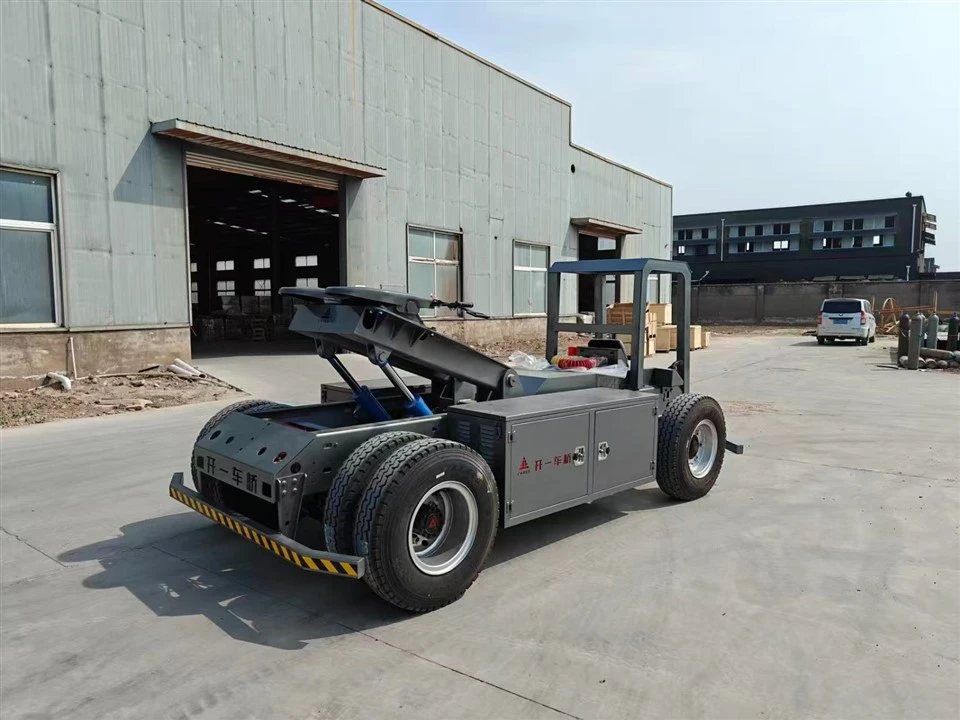
Wait, what about electric used trucks? A lot of clients ask me about electric models now, and for certain jobs, they’re a great fuel-saving option. Our 33 Ton Electric Remote Control Terminal Tractor is perfect for yard operations, moving trailers around ports or warehouses all day. Electric tractors don’t burn diesel at all, so fuel costs are basically zero compared to diesel models. The only catch is they work best for short, repeated routes where you can charge them overnight. If you’re doing cross-country runs, electric isn’t quite there yet, but for local or yard work, it’s a game-changer.
Let’s also address some common myths. A lot of people think adding fancy gadgets like fuel additives or aerodynamic kits will fix their fuel efficiency, but most of those don’t work, or only give you a tiny gain (like 1% at most, which isn’t worth the cost). The only aerodynamic upgrade I recommend that actually pays off is trailer skirts if you pull a trailer, and those are a one-time cost that saves money over time. As for additives, stick to the manufacturer’s recommended fuel and a good quality diesel if you’re running diesel trucks—cheap, low-quality fuel can clog filters and reduce efficiency, so it’s worth paying a little more for better fuel to avoid engine issues.
Now, let’s talk about choosing the right used truck vs. a new one. I get it, some people swear by new trucks, but used trucks from reputable suppliers like me (and no, I’m not just saying that) are often way more cost-effective, and can be just as fuel-efficient if you pick the right model. A 3-year-old used tractor, like the Sinotruk Howo I mentioned earlier, has already depreciated the big chunk of its value, but still has most of its engine life left, and if it’s been well-maintained, it’ll get the same fuel efficiency as a new one (or close). The key is buying from a supplier that actually inspects their trucks, not just sells whatever comes in. All the trucks I sell go through a full inspection: tire pressure check, oil change, filter replacement, brake check, and for mixers and dump trucks, a full drum and chassis check. That way, you’re not buying a truck with hidden issues that will kill your fuel efficiency later.
If you’re ready to lower your fuel costs and find a used truck that fits your job, don’t hesitate to reach out to our team to talk through your specific routes and needs. We can help you pick the right model—whether it’s a long-haul tractor, a mixer for construction, a dump truck for African routes, or even an electric terminal tractor for yard work—and answer any questions you have about maintenance or driving habits that will save you money at the pump.

References
- Heavy Duty Truck Fuel Efficiency Best Practices, American Trucking Associations, 2023
- Used Vehicle Maintenance Guide, Truck Industry Council, 2022
- Aerodynamic and Operational Fuel Savings for Commercial Fleets, Department of Energy, 2021
- Electric Commercial Truck Use Case Analysis, International Energy Agency, 2023


